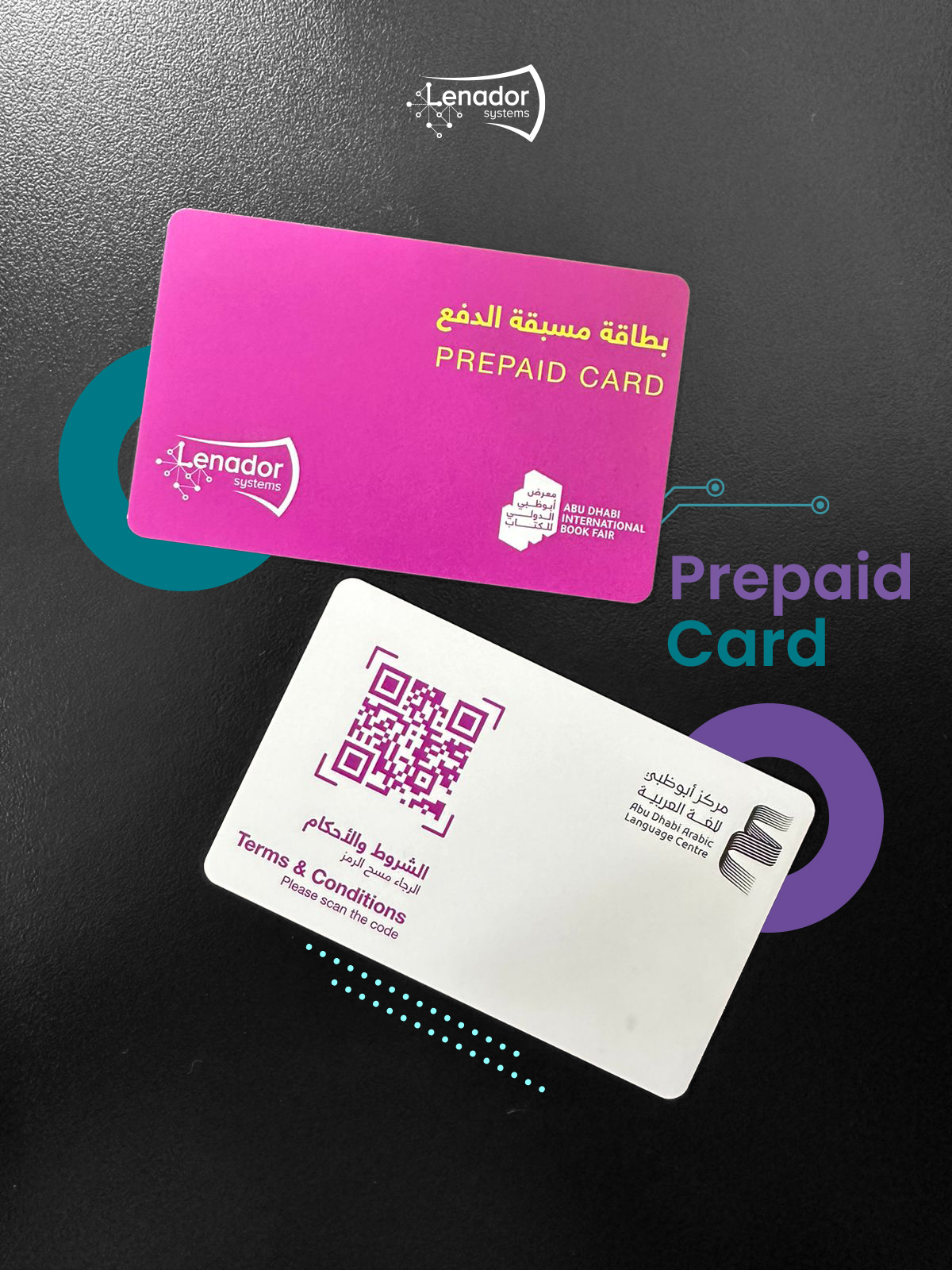


The Abu Dhabi International Book Fair isn’t a trial run. It’s a live environment with real money, real queues, and real consequences if your system goes down. Here’s what went into making it work — and what surprised us even after years of preparation.
In early 2024, we were named as technical sponsor for the Abu Dhabi International Book Fair — one of the region's most prestigious cultural events. Our brief: design and deploy the full cashless payment infrastructure. Over 100,000 visitors across multiple days. Dozens of sales counters. Real money, moving fast, in a high-footfall exhibition environment.
We've been deploying POS and payment systems for years. But this was a different scale — and the pressure was different too. At a retail store, if a terminal goes down you have one unhappy queue. At ADIBF, a system failure at peak hour is a crowd management incident.
This is what we learned.
Start with infrastructure, not the software..
Most technology conversations at events start with “which POS system are you using?” We’ve learned to start three layers below that. Before we think about payment software, we think about the network.
Exhibition halls are among the most challenging wireless environments you’ll encounter. Tens of thousands of devices — phones, tablets, scanners, payment terminals — all competing for bandwidth in a space designed for footfall, not signal propagation. Steel structures, concrete walls, temporary partitions, competing Wi-Fi from exhibitor stands — the interference profile is genuinely hostile.
We deployed a dedicated UBIQUITI UniFi network for all payment-related devices, isolated from the public and exhibitor Wi-Fi. Separate SSIDs. Separate VLANs. Separate uplink capacity. The payment network and the public network never touched.
The rule we follow on every event deployment
Every payment terminal must have at least two connectivity paths: primary Wi-Fi on our dedicated network, and a mobile data fallback via a local SIM. If both fail, the terminal switches to offline mode and queues transactions that sync when connectivity returns. We have never once needed the third layer — but knowing it’s there changes how calmly you operate on a busy floor.
Access point placement was planned from the venue floor plan weeks before the event. We walked the space, identified interference sources, and positioned APs to guarantee strong signal at every planned counter location. We tested it. Then we tested it again with the actual hardware we’d be deploying — because a specification on paper and a working network in a live hall are very different things.
The cashless infrastructure
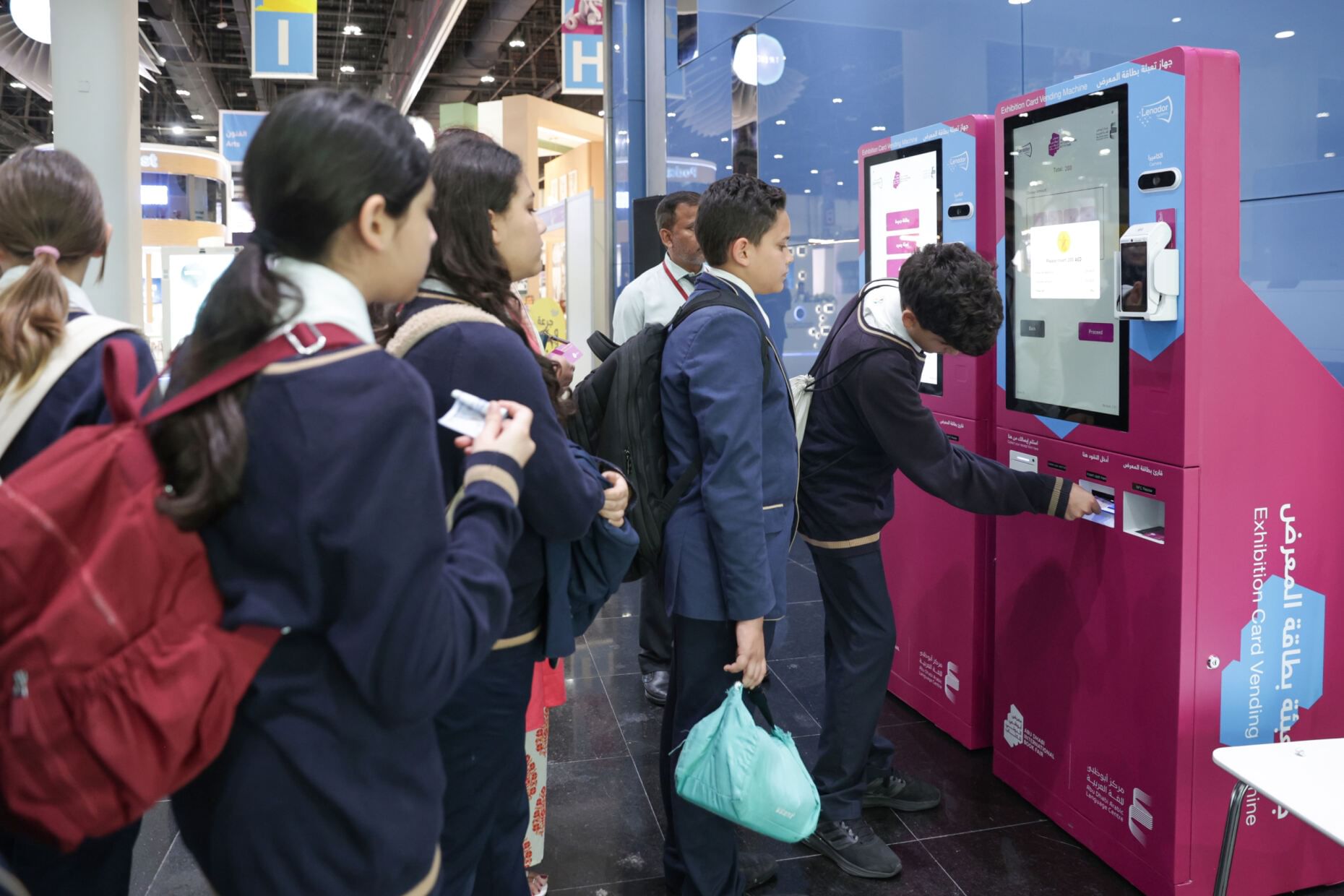
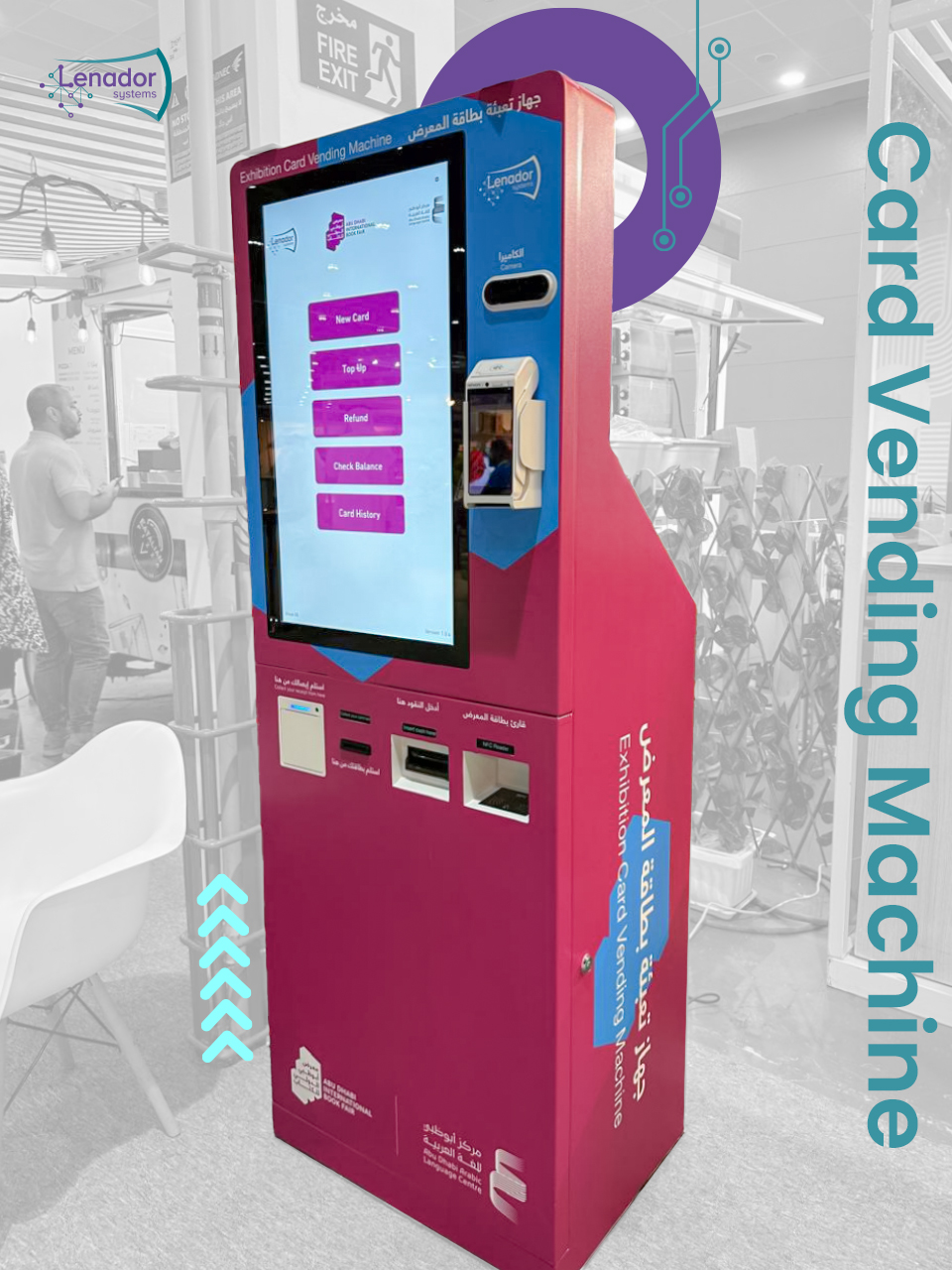
ADIBF 2024 ran as a fully cashless event for visitor purchases. Visitors could pay by card, Apple Pay, or Google Pay at any sales counter. No cash. This was a deliberate decision by the organisers — one that placed the entire payment burden on the technology. For us, it meant there was no fallback. If a visitor wants to buy a book and their card doesn’t work, the answer can’t be “do you have cash?” It has to be “let’s fix this right now.”

100
0
48
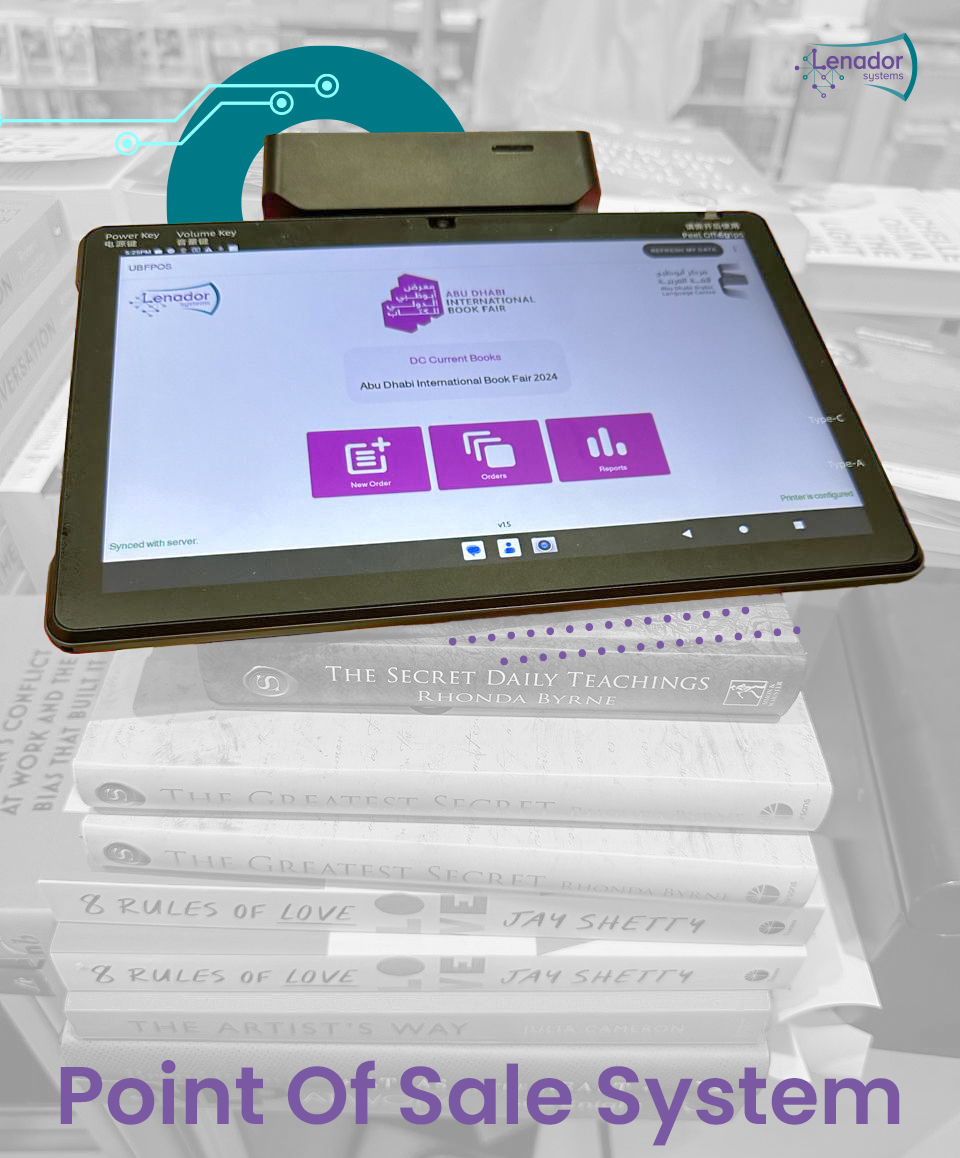
We used Revel Systems as the core POS platform, with custom integration to the UAE-market payment gateway. Every terminal was configured identically — same software version, same receipt template, same network configuration. Identical setups mean identical troubleshooting: when something behaves unexpectedly, you know immediately whether it’s the terminal, the network, or the gateway.